
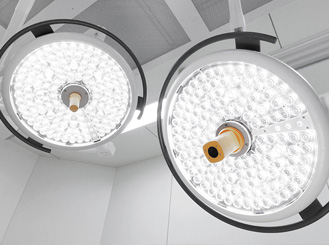
Healthcare facilities are constantly seeking ways to enhance patient care, operational efficiency, and safety. An often overlooked but impactful upgrade is the change from outdated lighting systems to modern LED and UV lighting technologies. This transition offers substantial cost savings and environmental benefits, and significantly improves hygiene and safety within hospitals. There are many advantages to upgrading hospital lighting systems to LED and UV technologies.
Enhanced Energy Efficiency and Cost Savings
LED Lighting:
LED (Light Emitting Diode) lighting is a game-changer in energy efficiency. Compared to traditional incandescent and fluorescent lighting, LEDs use significantly less energy to produce the same amount of light. For hospitals, this translates into considerable savings on electricity bills. LED lights consume up to 80% less energy than incandescent bulbs and last up to 25 times longer.
Additionally, LEDs produce less heat, which can help reduce the burden on HVAC systems, leading to further energy savings. The long lifespan of LEDs also means fewer replacements and maintenance tasks, allowing hospital staff to focus more on patient care rather than lighting upkeep.
UV Lighting:
While UV lighting is not typically used for general illumination, it plays a crucial role in disinfection. The integration of UV-C light technology can be highly beneficial for reducing the spread of infections within hospital environments. UV-C light has been proven to destroy pathogens, including bacteria, viruses, and fungi, by disrupting their DNA, rendering them incapable of replication and causing infections.
Improved Patient and Staff Safety
LED Lighting:
The uniform, glare-free light produced by LEDs improves visibility and reduces eye strain, creating a more comfortable environment for both patients and healthcare providers. In patient rooms, surgical suites, and emergency areas, consistent lighting helps medical staff perform procedures with greater precision and reduces the risk of accidents caused by inadequate lighting.
UV Lighting:
UV-C lighting offers significant advantages in maintaining a sterile environment. By incorporating UV-C light into hospital cleaning protocols, facilities can enhance their disinfection practices. UV-C light can be used in various settings, including patient rooms, operating theaters, and high-touch surfaces. Regular exposure to UV-C light can significantly reduce the microbial load on surfaces and in the air, contributing to a lower risk of hospital-acquired infections (HAIs).
Enhanced Environmental Sustainability
LED Lighting:
Switching to LED lighting supports environmental sustainability. LEDs do not contain hazardous materials, unlike fluorescent lights which contain mercury. Additionally, their lower energy consumption reduces the overall carbon footprint of the hospital. By adopting LED technology, hospitals can contribute to broader efforts in reducing greenhouse gas emissions and promoting environmental stewardship.
UV Lighting:
Although UV lighting primarily serves disinfection purposes, its integration into existing systems can reduce the need for chemical disinfectants. This shift minimizes the use of potentially harmful cleaning agents, contributing to a healthier indoor environment and reducing chemical waste.
Better Light Quality and Customization
LED Lighting:
LED lights offer superior color rendering compared to traditional lighting. This is particularly beneficial in medical environments where accurate color perception is essential for diagnostics and treatment. Additionally, LEDs can be dimmed and customized to meet specific lighting needs, enhancing patient comfort and providing the appropriate lighting for various medical procedures.
UV Lighting:
While UV lighting is not used for general illumination, its role in disinfection adds a layer of protection to the environment. UV-C light can be strategically deployed in areas prone to microbial contamination, ensuring that critical spaces remain as clean as possible.
Long-Term Financial Benefits
LED Lighting:
The initial investment in LED lighting systems may be higher than traditional lighting, but the long-term financial benefits are substantial. The reduction in energy consumption, combined with lower maintenance costs and longer lifespan, ensures that the return on investment (ROI) is realized quickly. Hospitals can expect to see a reduction in operational costs and an improvement in their financial sustainability over time.
UV Lighting:
Incorporating UV-C lighting into disinfection practices can reduce the need for manual cleaning and chemical disinfection, leading to cost savings in cleaning supplies and labor. The improved hygiene and reduced incidence of infections can also translate into lower costs associated with patient care and recovery.
Upgrading to LED and UV lighting technologies presents many benefits for hospitals. From significant energy and cost savings to enhanced patient and staff safety, environmental sustainability, and improved light quality, the advantages of modern lighting solutions are clear. By investing in LED lighting and integrating UV-C technology for disinfection, hospitals can create a more efficient, safer, and healthier environment for both patients and healthcare providers. The transition to these advanced lighting solutions not only supports operational excellence but also aligns with the broader goals of improving patient care and safety.
To request a free lighting analysis for your business, fill out the form on this page or call us at 800-277-1726.